Piercing Aftercare
What’s Normal After a New Piercing?
Mild bleeding, swelling, or tenderness in the first few days
Bruising or slight discolouration around the piercing site
A crust forming from whitish-yellow fluid (lymph—not pus)
Mild itching as the tissue repairs itself
Even once the surface looks healed, deeper tissue might still be sensitive. Keep up your cleaning routine to avoid complications.
It’s also completely normal if your jewellery doesn’t move freely once the area settles—never force movement, as this can damage the healing tissue.
The Importance of Cleaning
Failing to clean your piercing regularly can cause a buildup of natural secretions. This often leads to an unpleasant smell or irritation.
Always remember:
-
Piercings appear healed before they are healed internally
-
Healing timelines vary depending on placement and anatomy
-
A healthy piercing requires ongoing maintenance—even after it feels fine.
To prevent the hole from shrinking or closing, always keep jewellery in place. Some healed piercings can close within minutes if left empty.
Essential Aftercare Tips for Safe Healing
Disinfect Daily Use Items
Clean phones, glasses, headphones, and anything that contacts the piercing on a regular basis.
Notify Barber or Hairdresser
Let hairdressers or barbers know about your piercing so they can avoid knocking or touching it.
Avoid Frequent Touching
Only touch your piercing when cleaning, and always wash your hands first. Avoid scratching as much as possible.
Rotate Bedding
Cover your pillow with a clean t-shirt to reduce contact with bacteria while sleeping. By flipping it inside out and turning it over, you get four clean surfaces.
Reduce Pressures
Use a travel or doughnut pillow to protect ear piercings while sleeping
Stay Healthy
Hydration and a balanced diet support quicker healing.
What to Avoid During the Healing Period
To protect the new piercing, avoid anything that can interfere with recovery:
Do not use:
-
Alcohol, hydrogen peroxide, iodine, antibacterial soap
-
BZK-based products (like Bactine® or many commercial ear-care solutions)
-
Ointments that block airflow
Avoid these activities and habits:
-
Over-cleaning—stick to the advised routine
-
Friction from clothing or excessive movement
-
Twisting or turning the jewellery
-
Oral contact or exposure to others’ bodily fluids
-
Makeup, lotions, and sprays near the area
-
Hanging charms or accessories from the jewellery.
Trauma can lead to bumps, scar tissue, or delayed healing. Be gentle with your piercing at all times.
Best Product for Cleaning
The safest and most effective cleaning solution is pre-packaged sterile saline like NeilMed. It’s specifically designed for wound care and contains 0.09% sodium chloride, which matches your body’s natural salinity.
Don’t create DIY salt mixes—getting the balance wrong can cause dryness or irritation
Avoid contact lens solutions or general-use saline—they’re not made for wound care
How to Clean Ear and Facial Piercings
Follow this step-by-step method twice daily for proper care:
-
Wash and dry your hands
-
Soak a cotton pad with NeilMed saline
-
Hold it gently over the area for 3–5 minutes to soften buildup
-
Use the edge of the pad to clean around and behind the jewellery
-
Ensure you clean decorative elements or attachments
-
Dry the area with a fresh pad—no moisture should remain
Adjust cleaning times if you’ve exercised or come into contact with dirt or sweat.
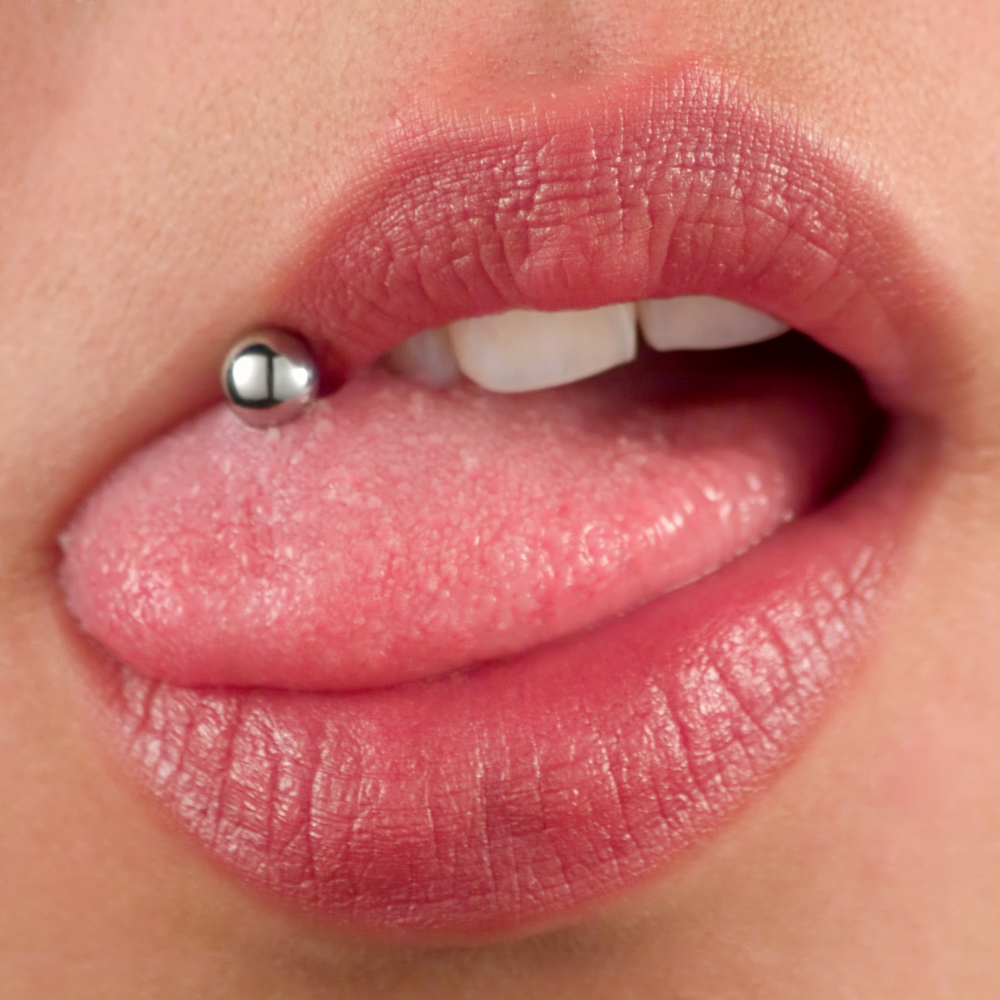
Oral Piercings
What to Use
Use NeilMed saline on the outside
Rinse the inside with an alcohol-free mouthwash such as Corsodyl
Never use sea salt mixes or alcohol-based rinses
Cleaning Routine
For the outside:
Wash and dry your hands
Apply saline-soaked cotton to the area for 3–5 minutes
Wipe gently around the jewellery, including behind attachments
Dry thoroughly with a clean pad
For the inside:
Brush twice daily with a new toothbrush
Rinse your mouth with Corsodyl after eating and before bed
Limit mouthwash use to 2–3 times a day to prevent irritation
Avoid smoking, alcohol, or spicy foods, which can slow healing
Combine oral hygiene with regular cleaning of the external area for best results.
Need Medical Help? Know Who to Ask
All aftercare advice here is based on established guidance from the Association of Professional Piercers (APP) and the UKAPP, along with industry best practice.
Disclaimers:
This guide is not a replacement for medical advice. If you suspect an infection, speak with a doctor. Be aware that many medical professionals aren’t trained in piercing care—your piercer may be able to recommend a piercing-aware doctor.
You can learn more about safe practices at:
www.safepiercing.org
www.ukapp.org.uk
Thank you for choosing Jynx Piercing. We’re glad to be part of your healing journey—take care, and enjoy your new piercing with confidence!